
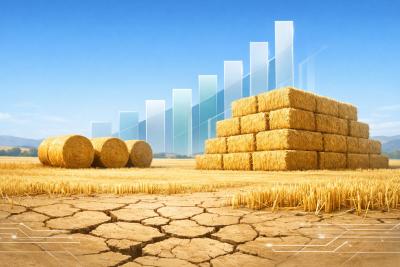
Recent reports indicate that cereal hay prices have firmed in Central West NSW and the Bega Valley as dry weather continues to prevail. The lack of rainfall has led to reduced pasture growth, compelling farmers to rely more heavily on hay to feed their livestock. This increased demand, coupled with limited local supply, has contributed to the upward pressure on prices.
In addition to the challenges posed by dry conditions, farmers are also contending with rising input costs. The prices of essential inputs such as urea and fuel have been on the rise, further inflating the cost of producing and transporting hay. These increased expenses are being passed on to buyers, resulting in higher prices for hay in the market.
Despite these challenges, some factors are helping to mitigate the impact on hay prices. Above-average rainfall in other parts of Southeast Australia has improved pasture growth, reducing immediate hay demand in those regions. Additionally, some farmers are delaying purchases while utilising green feed and on-farm stocks, which has kept trade subdued and prevented more significant price hikes.
However, the situation remains precarious for farmers in Central West NSW and the Bega Valley. The combination of dry conditions and rising input costs underscores the need for effective risk management strategies and comprehensive insurance coverage to safeguard against the financial impacts of such challenges.


