
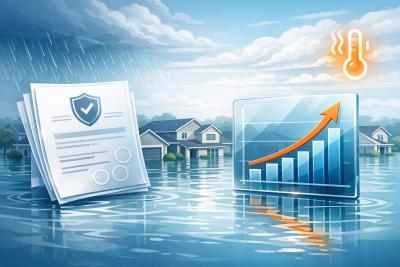
Recent data indicates a substantial rise in insured catastrophe losses, with figures reaching approximately $2.61 billion in the 2023–24 period and $1.97 billion in 2024–25. Notably, events like Ex-Tropical Cyclone Alfred have alone generated claims exceeding $1.5 billion. Such substantial losses have placed sustained pressure on insurers, compelling them to adjust premiums to offset the financial impact.
In response to these challenges, the Australian Prudential Regulation Authority (APRA) has called upon insurers to reinforce accountability and embrace innovation to meet the evolving risk landscape. APRA emphasizes the importance of resilience, transparency, and innovation in the face of rising claims and climate volatility. The Financial Accountability Regime (FAR), effective since March, now mandates insurers to designate individuals responsible for key functions such as capital management and product oversight.
Furthermore, the Insurance Council of Australia (ICA) has been proactive in engaging with communities affected by climate events. For instance, ICA representatives have conducted multiple visits to North Queensland to meet residents still grappling with claims from recent flooding events. These sessions aim to provide direct support, address individual claims, and offer guidance on recovery and resilience measures.
The intersection of climate change and insurance is also impacting property values. Research from the Climate Council reveals that one in six Australian homes now lies in a flood-prone area, leading to a cumulative loss of value estimated at $42.2 billion. This phenomenon, termed the “disaster penalty,” highlights the broader economic implications of climate risks on the housing market.
As the industry confronts these multifaceted challenges, insurers are urged to adopt disciplined leadership and innovative strategies. Embracing technological advancements, enhancing risk assessment models, and maintaining clear communication with policyholders are essential steps to navigate the complexities posed by climate change and regulatory demands.


